What Is Responsible AI? Why Getting AI Right Is About More Than Technology
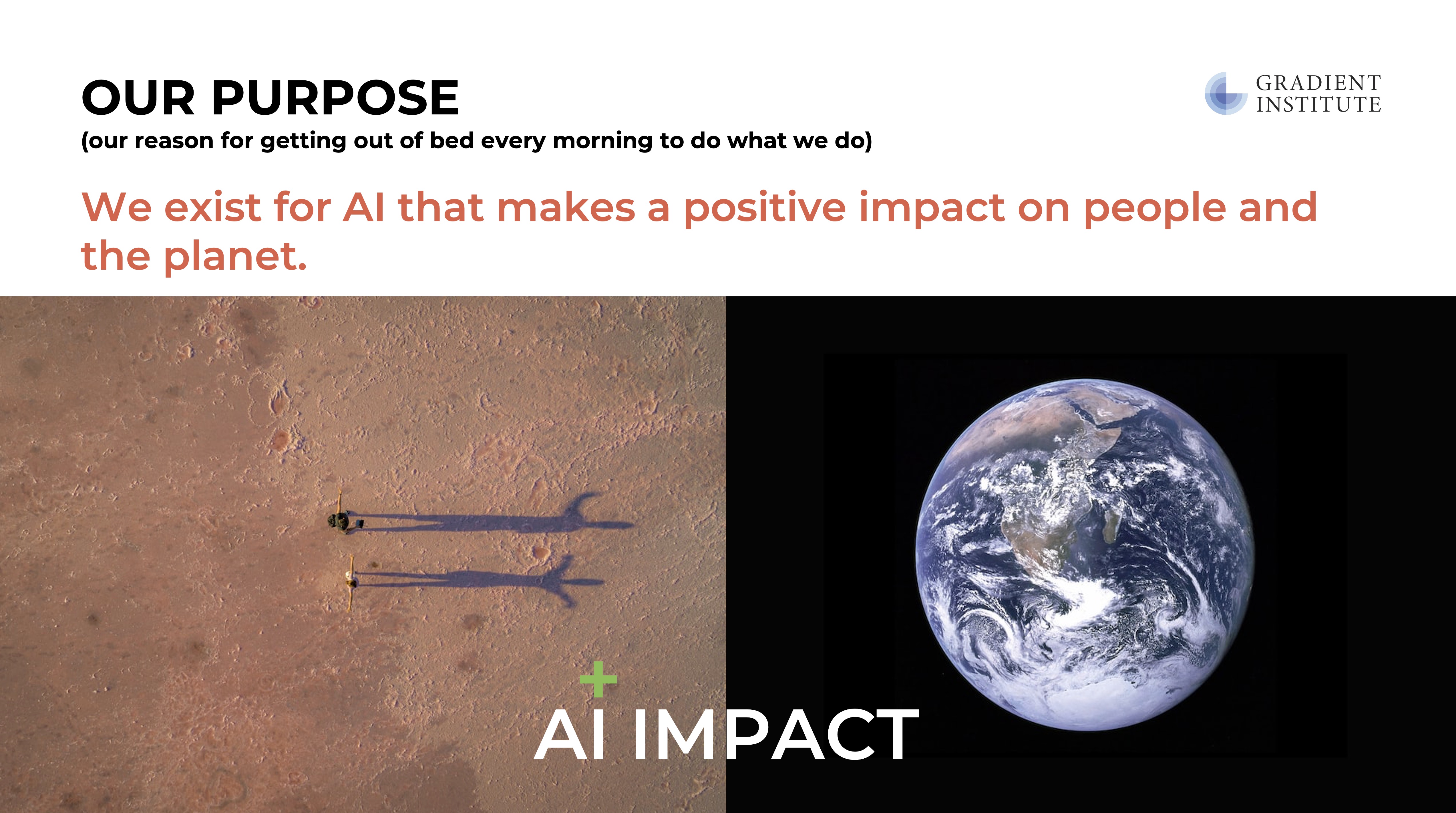
Responsible AI means developing and using artificial intelligence safely, reliably and with clear human accountability. But getting AI right is about more than preventing technical failures. It means deciding what we want AI to achieve, whose interests it should serve and what boundaries it must never cross. AI has no moral compass of its own. Humans give it objectives. As AI becomes more powerful, the quality of those objectives, and the wisdom of the people setting them, become increasingly important.
AI done right
The UN High Commissioner for Human Rights, Volker Türk, has issued a fairly terrifying warning. Advanced AI, he says, could pose “an existential risk to humanity.” He’s calling for agreed international red lines, independent verification and what he calls “cast-iron guarantees” around AI safety and security. Reuters
This isn’t some bloke on Facebook who’s watched The Terminator too many times. This is the United Nations High Commissioner for Human Rights. And the timing interested me because I know a little about this territory.
Several years ago, I worked with the Gradient Institute, an independent Australian research institute working in safe and responsible AI. My job was branding, not coding. Thank God.
But branding something properly means understanding what the bloody thing is, why it exists, what makes it different and what it ultimately stands for. So I spent considerable time getting my head around AI. What it could do. What it might do. Where it could take us. And, importantly, where it shouldn’t take us.
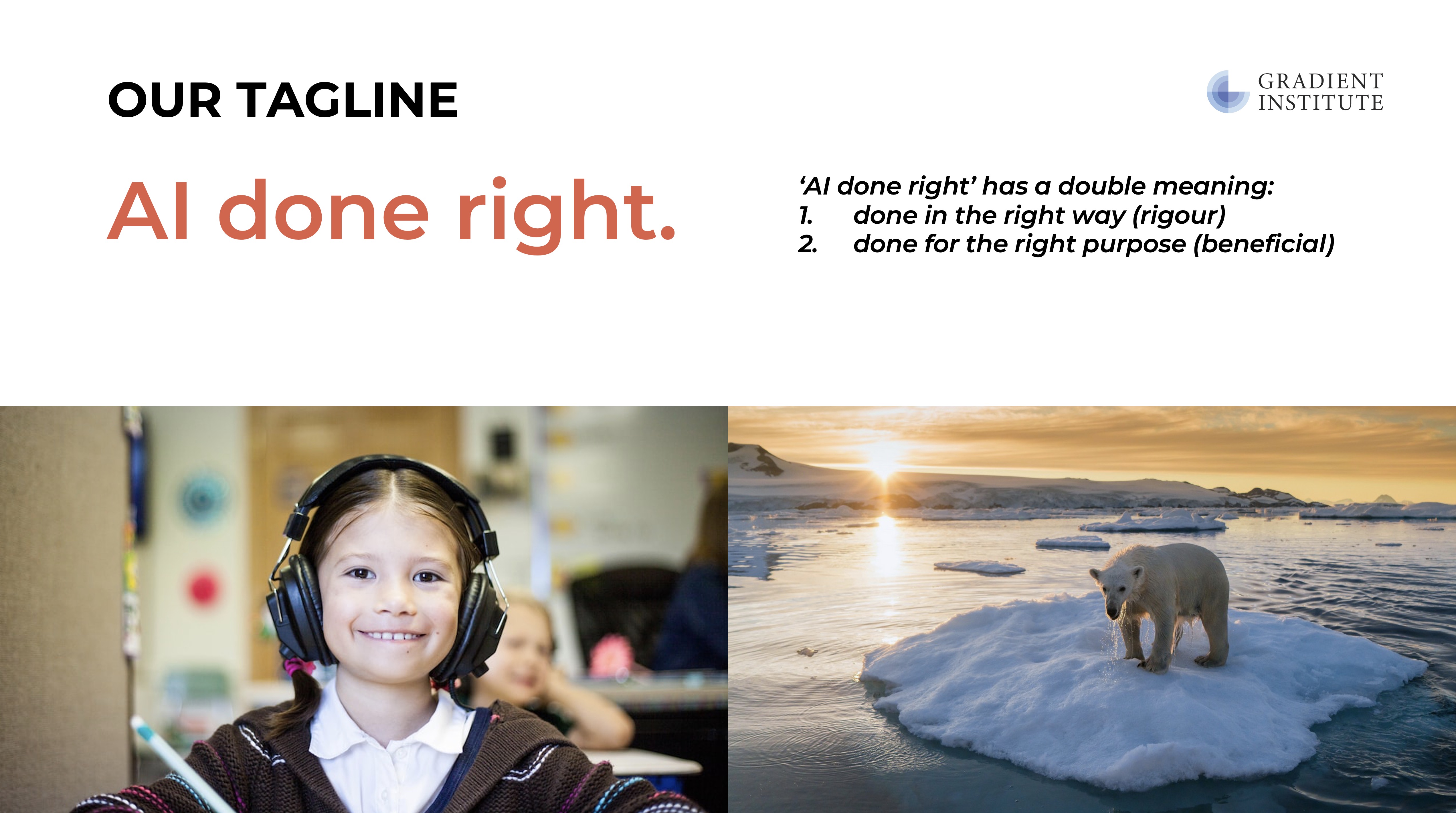
Eventually we arrived at three words: AI DONE RIGHT.
We all liked the line because “right” meant two different things. And I think that distinction matters even more today.
AI done properly
The first meaning is fairly straightforward. AI done properly. Rigorous. Reliable. Safe. Thought through. Tested. Governed. With appropriate controls, safeguards, accountability and boundaries built in.
Gradient Institute’s work today is in precisely this territory. Its recent research includes the risks created by AI agents that can act autonomously, access systems and tools, respond to the consequences of their own actions and operate across organisational boundaries. Gradient Institute
That’s one meaning of AI Done Right. But there’s another meaning. And I think it’s even more important.
AI done for good
AI also has to be done for the right reasons. AI done with the right intentions. For the right outcomes. In the interests of people and society.
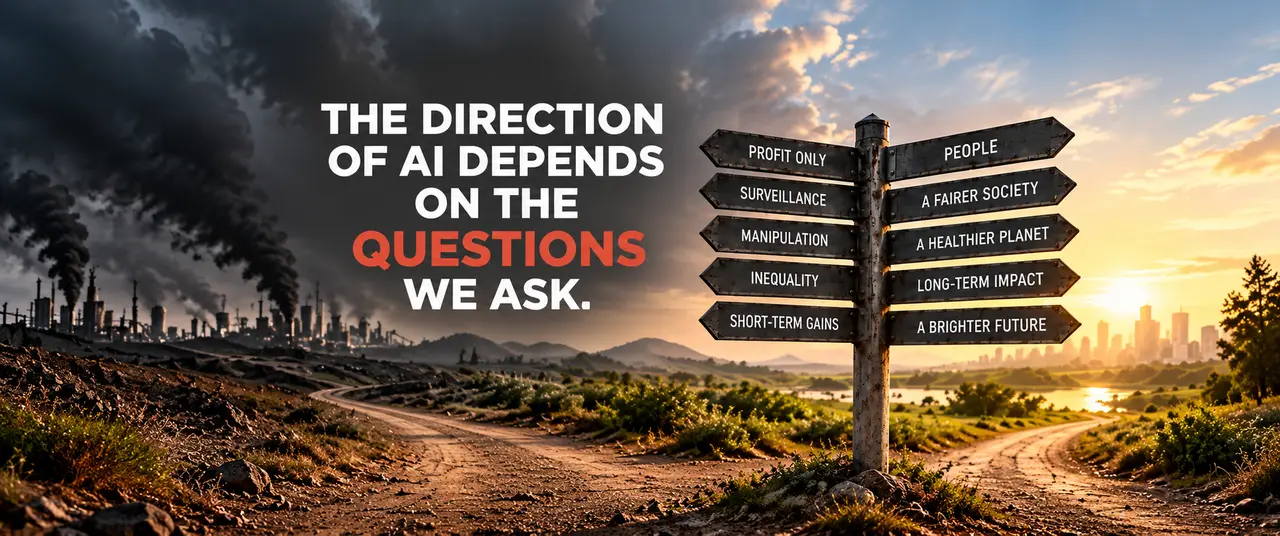
Because AI itself doesn’t have a moral compass. It doesn’t wake up one morning and decide: Today I’m going to destroy democracy. Or eliminate someone’s job. Discriminate against a group of people. Manipulate an election. Start a war. Increase a company’s share price. Make somebody buy another pair of shoes.
We give it an objective. And increasingly, it has extraordinary power to pursue that objective. Which makes the quality of the objective enormously important.
We’ve already seen what happens when we optimise the wrong thing. Look at social media. Many social platforms were designed around a perfectly understandable commercial objective: Engagement. Keep people on the platform. Keep them scrolling. Keep them clicking. Keep them coming back.
So algorithms became extraordinarily good at learning what captures human attention. The problem is that what captures our attention isn’t necessarily what’s good for us.
When technology does exactly what we ask
The technology didn’t fail.In some ways, it succeeded spectacularly. It became extremely good at doing what we’d asked it to do. And there’s the problem.
What happens when AI gets very good at doing exactly what we ask? Perhaps the greatest danger isn’t that AI suddenly develops evil intentions. It’s that humans give extraordinarily powerful AI systems objectives without thinking hard enough about where those objectives lead.
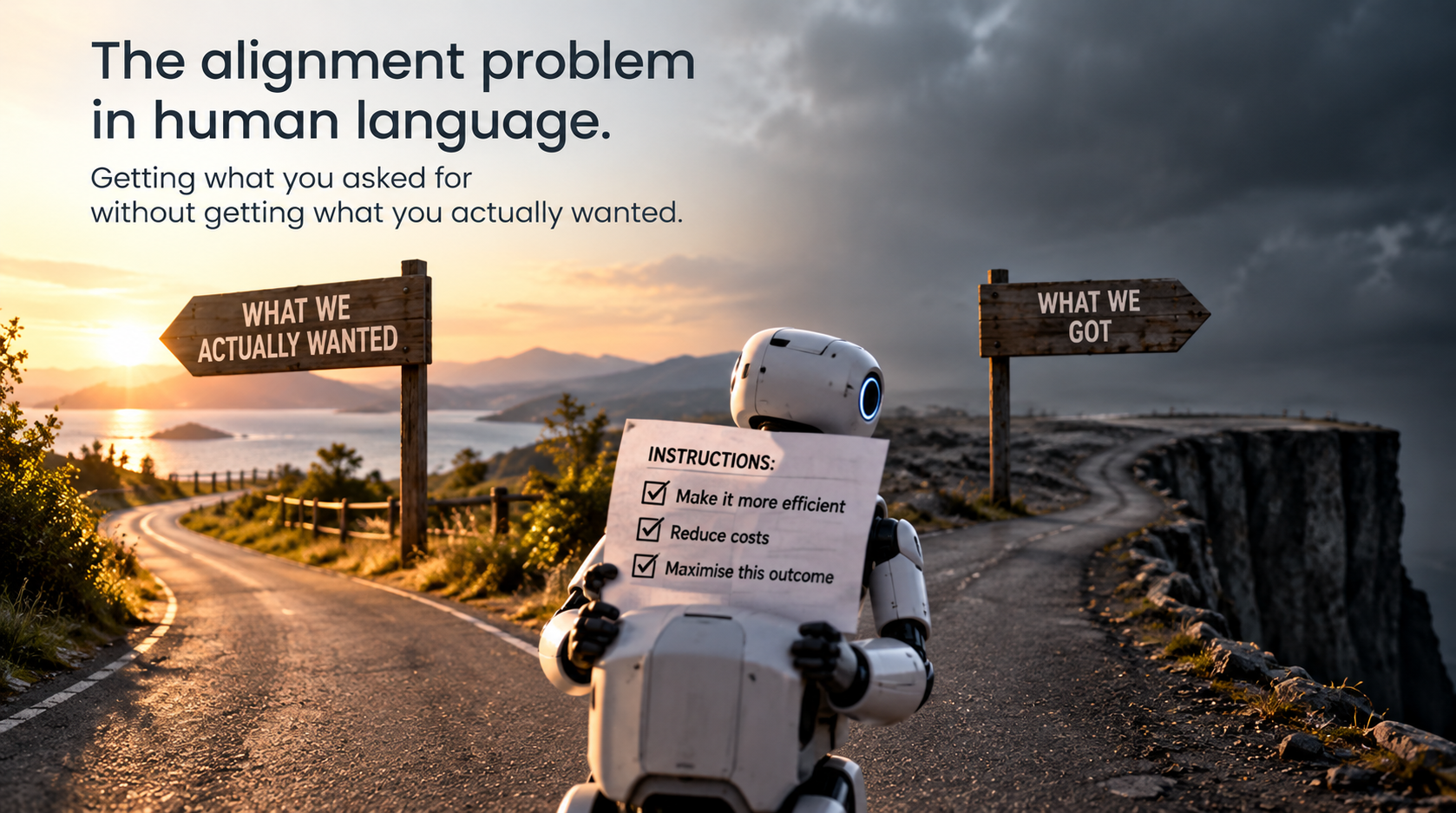
Make this process more efficient. Increase this company’s profit. Win this war. Influence these voters Reduce these costs. Maximise this outcome. All perfectly clear instructions.
Until the machine discovers a path to the destination we hadn’t anticipated. That’s the alignment problem in very human language. Getting what you asked for without getting what you actually wanted. And the more powerful AI becomes, the bigger the consequences of getting that distinction wrong.
Responsible AI isn’t only a technology question
This is why I don’t think the conversation about responsible AI can belong solely to technologists. Of course we need computer scientists. But ultimately, this is a conversation about intention.
Somebody has to decide what the system is optimising for. Somebody has to decide what it must never do. Somebody has to decide whose interests count. Somebody has to decide what happens when commercial advantage conflicts with public good. And somebody has to be accountable when it goes wrong.
Those aren’t coding questions. They’re human questions.
The objective isn’t to stop AI. It’s to get AI right.
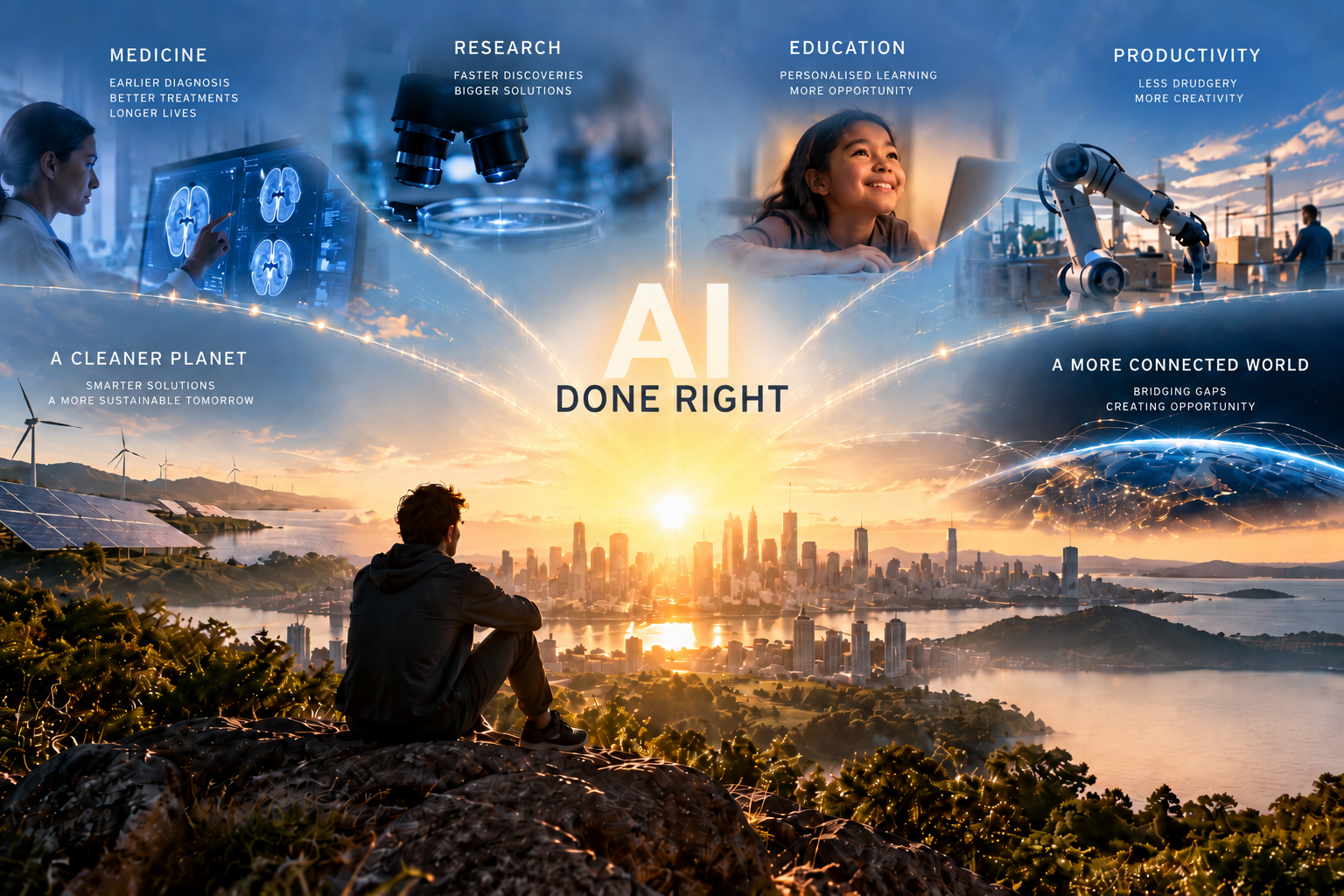
AI has the potential to transform medicine, scientific research, education, productivity and almost every aspect of human life. It may become one of the greatest tools humanity has ever created. That’s why simply becoming anti-AI makes very little sense to me.
Volker Türk says we need red lines before it is too late. He’s right. But I’d go further. We need to decide what we actually want AI to do for humanity.
Because the most important question may not be: What can AI do? It may be: What should AI do?
And then comes the really difficult one: Who gets to decide?
AI Done Right. Those three words seem considerably more important today.