Brand is a decision system: How brand strategy shapes business decisions
Brand is a decision system because a strong brand gives people a framework for making business decisions. Purpose, vision, values and positioning aren't simply statements; they help determine what gets prioritised, funded, rewarded, refused and tolerated. When those decisions align, behaviour becomes more consistent and trust builds. That's when brand stops being something an organisation says and becomes something it actually does.
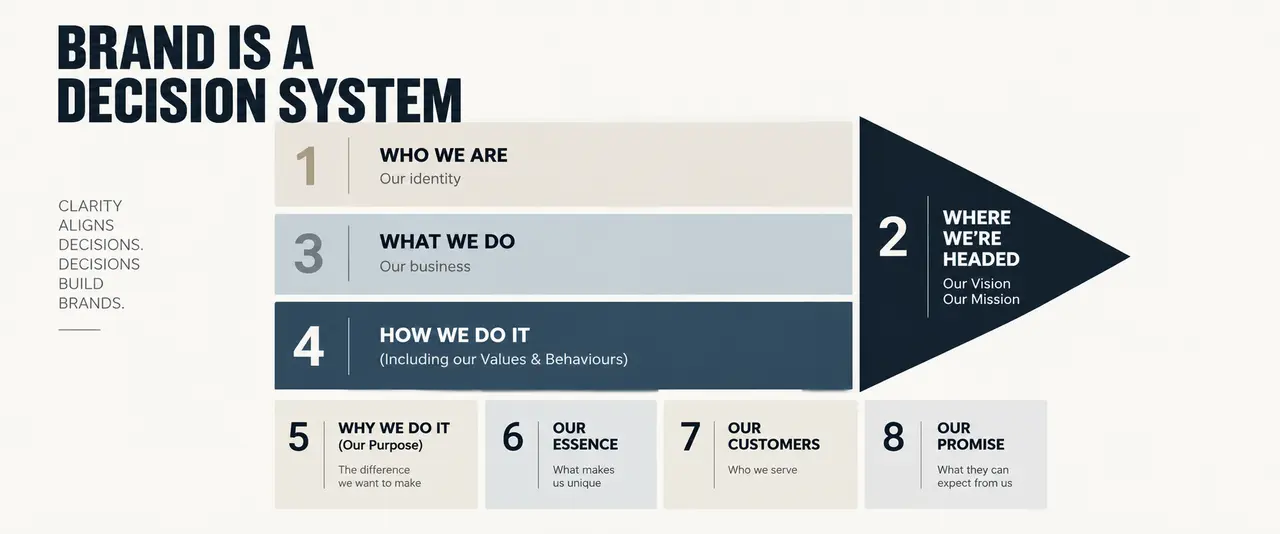
A brand promise is a promise made and kept
Brand is no longer what you say. It’s how you behave. How you do business.
In an AI world where anyone can generate a logo, write some copy or produce a half-decent-looking brand identity in an afternoon, brand advantage has shifted upstream.
Visual identity is becoming easier. Clarity and alignment are still bloody hard. That’s because a strong brand isn’t simply an identity system. It’s a decision system.
It helps an organisation decide what matters, what wins, what gets funded, what gets stopped and, sometimes most importantly, what you refuse to do.
That’s when brand stops being something Marketing manages and starts becoming something the organisation lives.
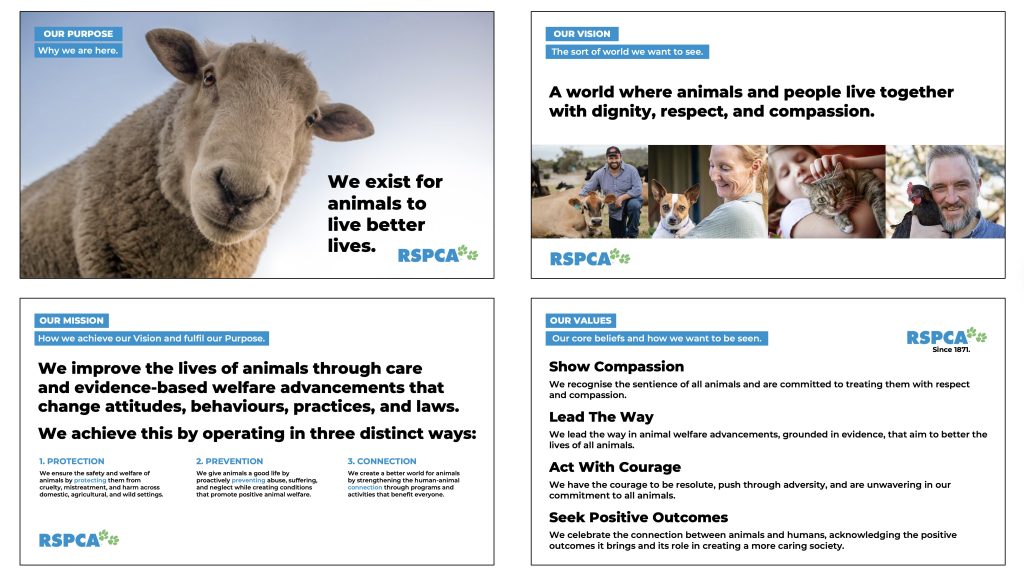
RSPCA Brand Decision System (created 2024)
Brand gives people a way to decide
Every organisation makes thousands of decisions.
Who do we hire? What do we invest in? What do we prioritise? What kind of customer do we want? What happens when profit conflicts with purpose? What behaviour do we reward? What behaviour do we tolerate? What will we not do, even if there’s money in it?
Without something holding those decisions together, different parts of an organisation inevitably pull in different directions. That’s where the essential brand foundations come in.
Vision. Mission. Purpose. Values. Manifesto. Strategic positioning.
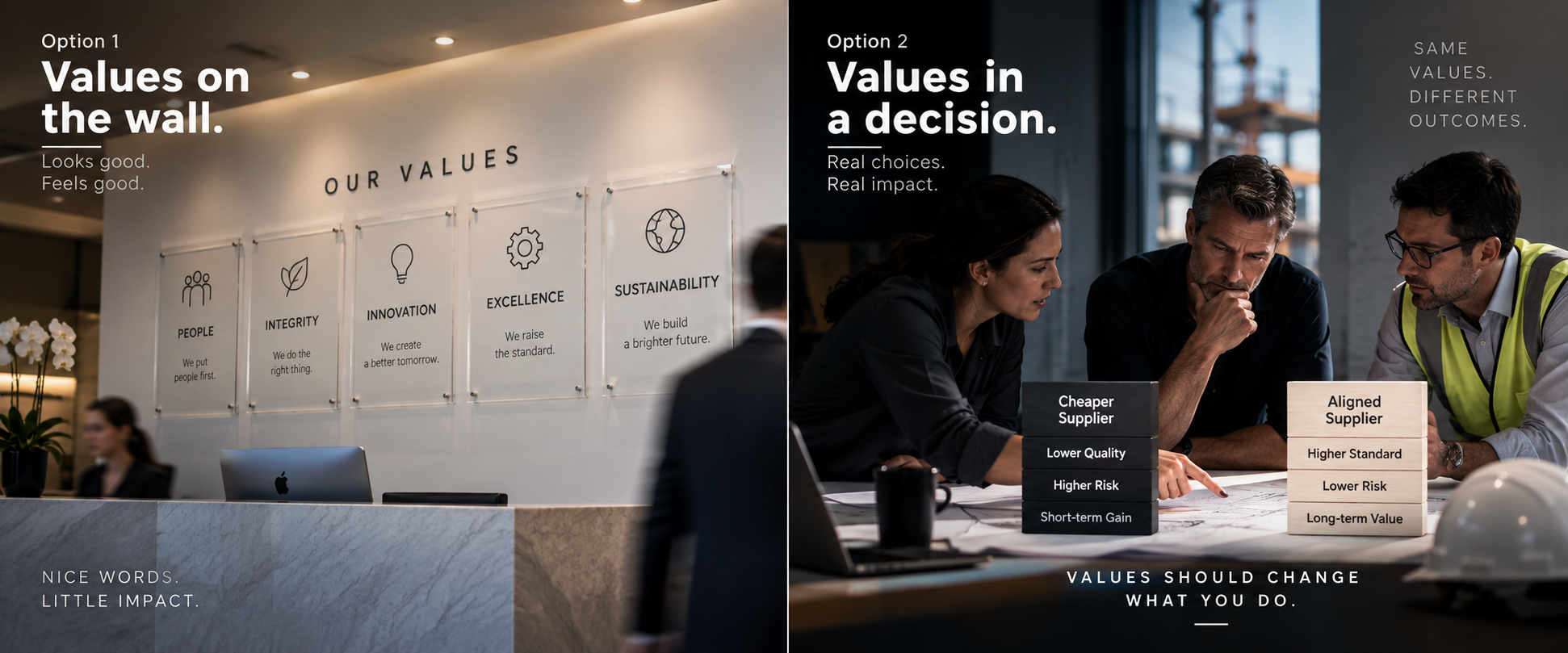
These aren’t posters for the wall. They’re decision filters.
Vision defines where you’re going. Purpose defines why you exist. Values define how you behave. Positioning defines where you choose to play and what you want to stand for.
Together, they give people a framework for making decisions when the answer isn’t sitting in a brand manual somewhere. That’s what makes them useful.
Brand is everyone’s business
This is also why I’ve never understood the idea that brand belongs to Marketing.
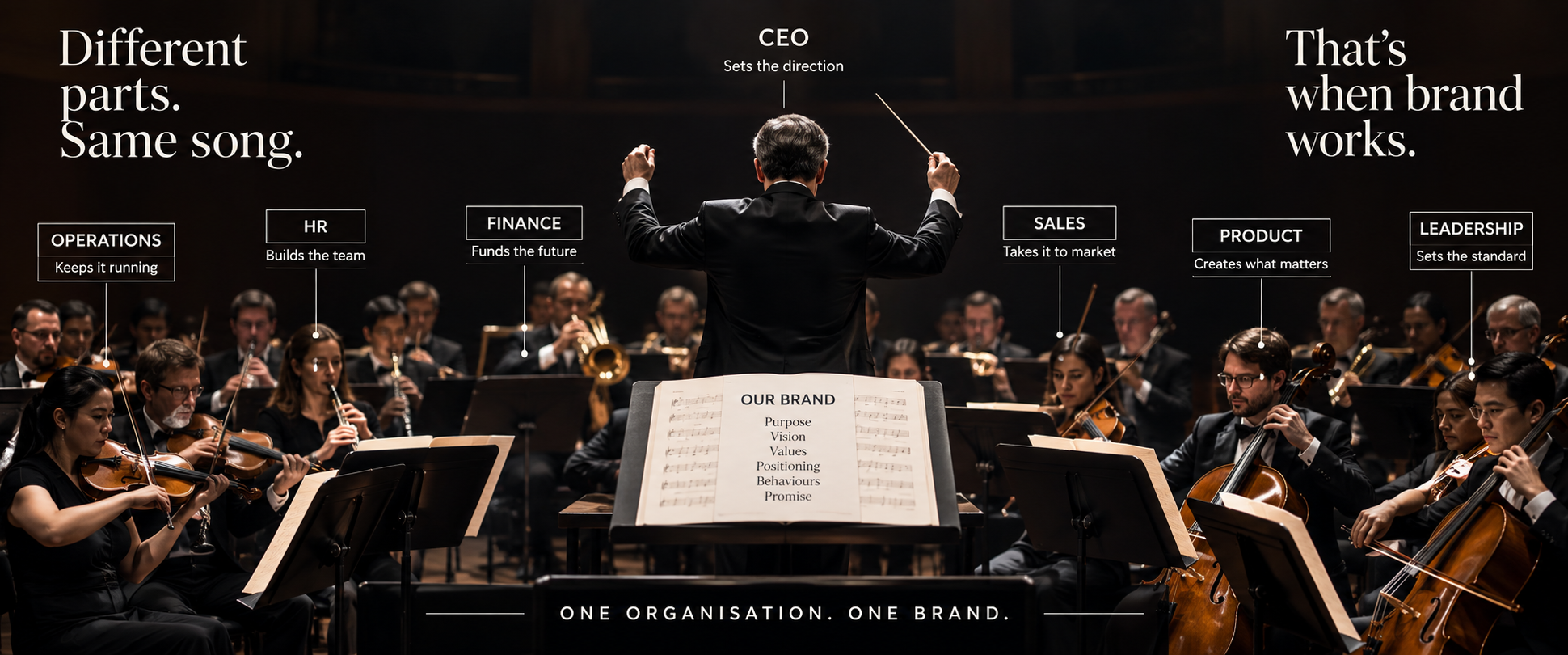
Marketing communicates the brand. The organisation creates it. Brand lives in Operations, HR, Finance, Sales, Product and Leadership.
It shows up in who you hire. What you reward. What you prioritise when budgets tighten. Where you invest. How you treat customers. How you treat employees. What you refuse. And what you tolerate.
Every one of those decisions tells people something about who you really are.
Not who the brand guidelines say you are. Who you actually are.
Alignment is where brand becomes powerful
When the strategy is clear, decisions can align. When decisions align, behaviour becomes more consistent. When behaviour becomes consistent, people begin to know what to expect from you.
And that’s where trust comes from.
Clarity → decisions → behaviour → trust.
I often think of brand as the song sheet for the organisation.
Operations, HR, Finance, Sales, Product and Leadership are all playing different instruments. They have different roles. They make different decisions. But if they’re all playing from the same song sheet, there’s alignment. There’s harmony. It sounds like one organisation.
If everyone’s playing their own tune, it doesn’t matter how talented the individual musicians are. It sounds like shit.
That’s brand. And it’s powerful stuff when you get it right.
But if the decisions and behaviour don’t support the promise, no amount of brand creative will fix it. You can have the world’s most beautiful visual identity while the organisation underneath it behaves like an entirely different company.
People eventually notice. They always fucking notice.
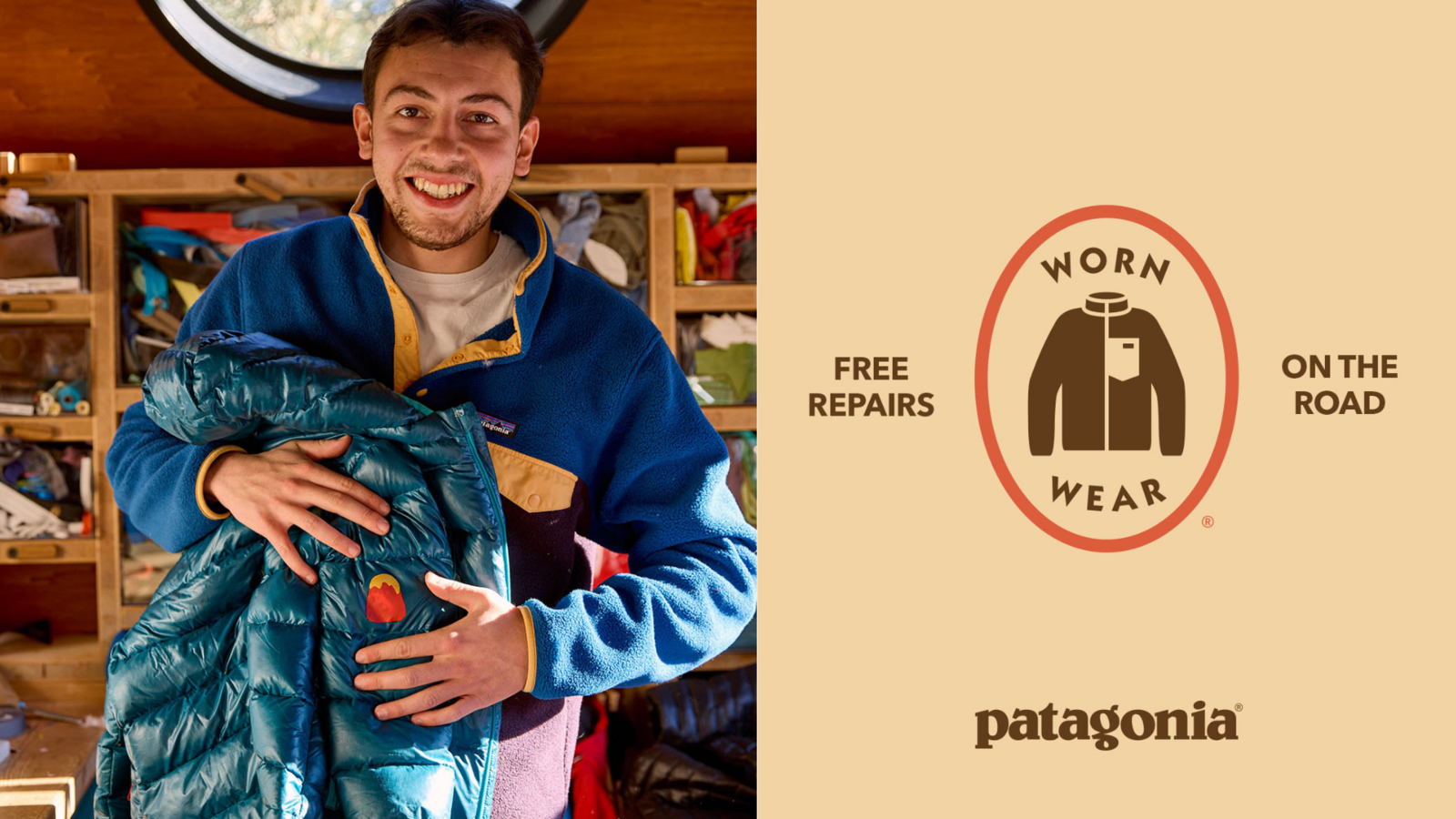
Patagonia: when the decisions match the promise
Patagonia is a useful example because its environmental positioning isn’t simply something the company communicates.
It changes the decisions the company makes.
Since 1985, Patagonia has committed 1% of sales to environmental causes.
Its Worn Wear programme encourages customers to repair, reuse and resell clothing rather than automatically replacing it with something new.
And in 2022, founder Yvon Chouinard and his family transferred ownership of Patagonia so that money not reinvested back into the business would be distributed to help fight the environmental crisis.
Think about that for a moment. A clothing company actively encourages customers to buy less clothing.
And its founder changed the ownership structure of the company around the environmental purpose the brand had spent decades talking about.
That’s what I mean by brand as a decision system. Patagonia doesn’t merely say what it believes. Its beliefs influence what the company does, what it sells, what it encourages customers to do and even who owns the bloody company.
The brand promise holds because the decisions hold.
Your real brand guidelines aren’t the PDF
This is where I think a lot of organisations get brand wrong.
They spend months developing the strategy. Purpose. Vision. Values. Positioning. Then somebody turns it into a lovely deck, launches it to the organisation, stick it up on a wall at receoption, and everyone gets back to work.
And six months later the real decisions are still being made exactly as they were before.
So what changed? Not much.
Because the test of a brand strategy isn’t whether people can remember the values. It’s whether the values change a decision.
Does your purpose affect what gets funded? Does your positioning affect what opportunities you say no to? Do your values affect who gets promoted? Does your brand promise change what happens when delivering on it becomes inconvenient or expensive?
If the answer is no, you haven’t built a decision system. You’ve built some words.