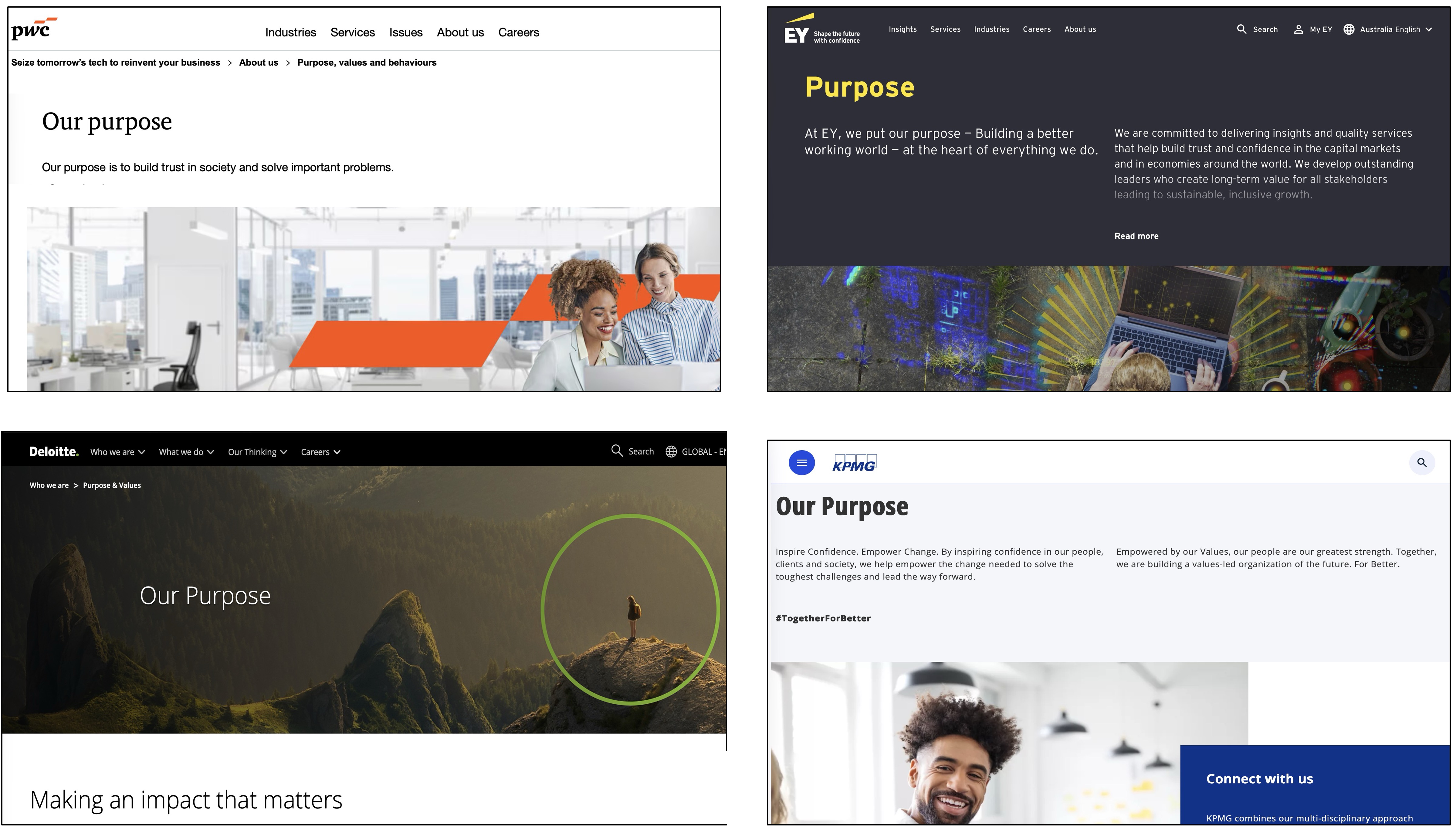
Does Corporate Reputation Really Matter? The Big Four Suggest It Depends
Does corporate reputation matter? Usually, enormously. A damaged reputation can cost a business customers, employees, investors and revenue. But reputation matters less when customers have limited alternatives. Australia’s Big Four accounting firms offer a fascinating example. Despite serious scandals involving trust, confidentiality, competence and workplace culture, PwC, Deloitte, KPMG and EY remain deeply embedded in corporate and government infrastructure. Perhaps being indispensable can sometimes protect a business from the consequences of being unpopular.
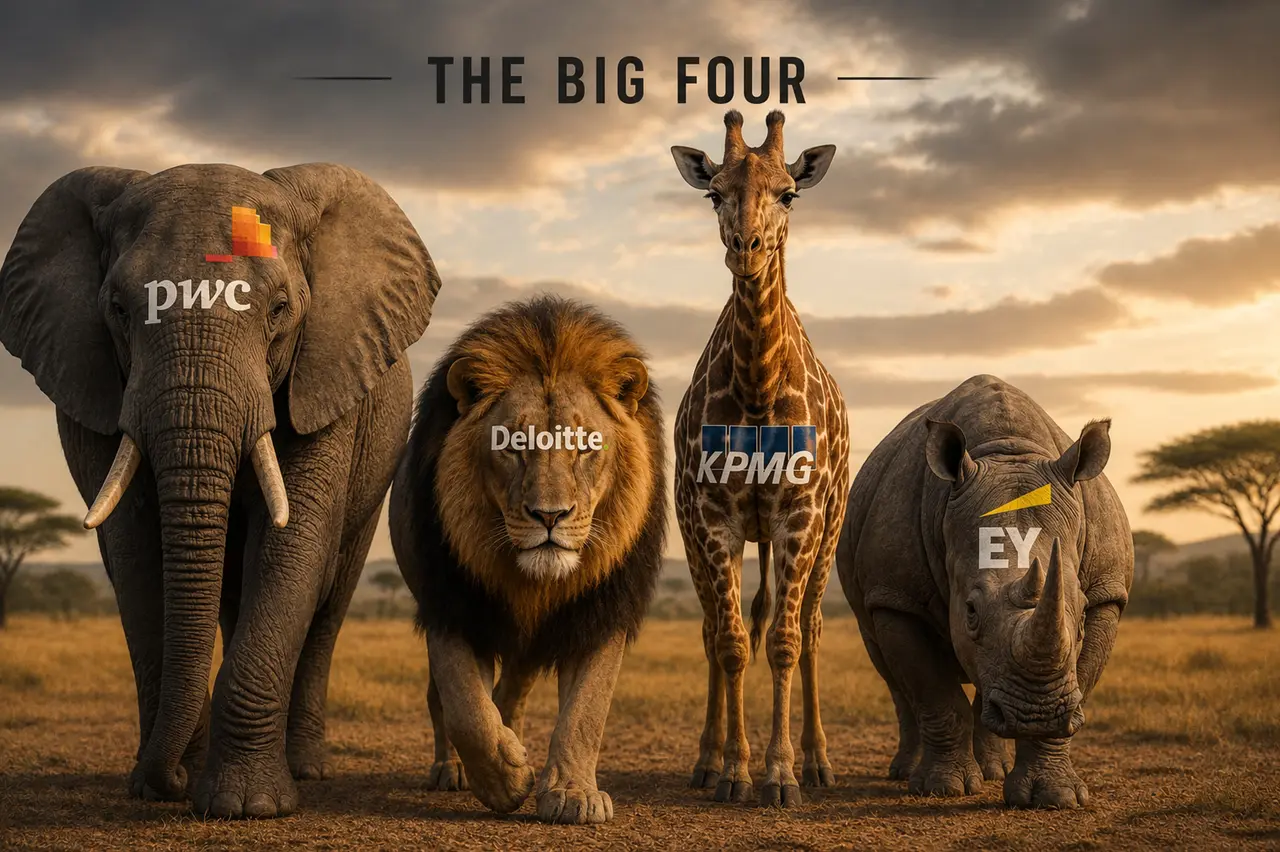
Who needs a good reputation anyway?
There used to be the Big Eight. Then the Big Six. Then the Big Five. Mergers reduced the field. Arthur Andersen collapsed after Enron. And then there were four.
PwC. Deloitte. KPMG. EY.
These aren’t ordinary corporate brands like McDonald’s, Nike or Toyota. The Big Four are institutional brands.
They’re part of capitalism’s trust infrastructure. They are woven into the machinery of business and government. They audit companies, advise boards, consult for governments and help shape the systems the rest of us live and work within.
They don’t simply operate within the system. They help the system to operate. It’s a position that comes with enormous responsibility.
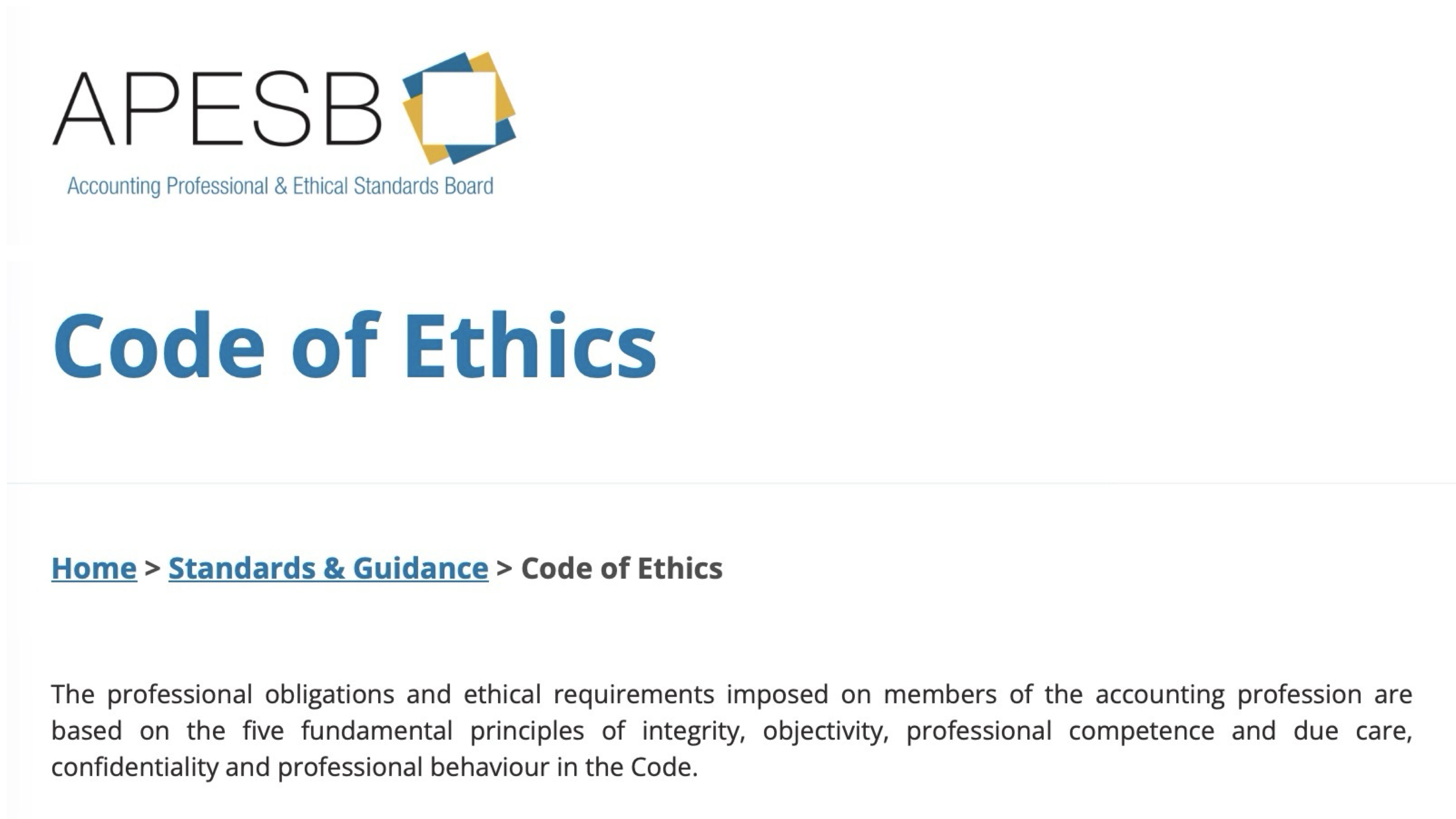
The Australian accounting profession’s ethical code boils that responsibility down to five fundamental principles: integrity, objectivity, professional competence and due care, confidentiality, and professional behaviour. APESB
Pretty reasonable. Because when you’re this deeply embedded in the system, trust isn’t a nice-to-have. It’s the whole deal.
So how’s that going?
Well.
PwC became engulfed in the tax leaks scandal after confidential Australian Government tax information was improperly disclosed and used within the firm. The fallout ultimately led PwC Australia to divest its government consulting business, which became Scyne Advisory. Australian Government Finance
Deloitte produced a $440,000 report for the Australian Government containing fabricated academic references and a made-up quotation attributed to a Federal Court judgment. Generative AI had been used in preparing the report. Deloitte corrected it and refunded the final instalment of the contract. AP News
KPMG has been under investigation following whistleblower allegations concerning the misuse of confidential audit-client information in pursuit of new business. KPMG has acknowledged that people within the firm made mistakes, senior leaders departed, and the firm agreed not to bid for new Commonwealth work between 16 June and 30 September 2026 while its governance, culture, ethics and integrity frameworks were reviewed. Reuters
EY commissioned an independent review of its workplace culture. Among respondents, 15% reported experiencing bullying in the previous five years, 10% sexual harassment and 8% racism. EY accepted all 27 recommendations from the review. EY
Not exactly a glowing scorecard for four businesses whose licence to operate is built on integrity, competence and trust.
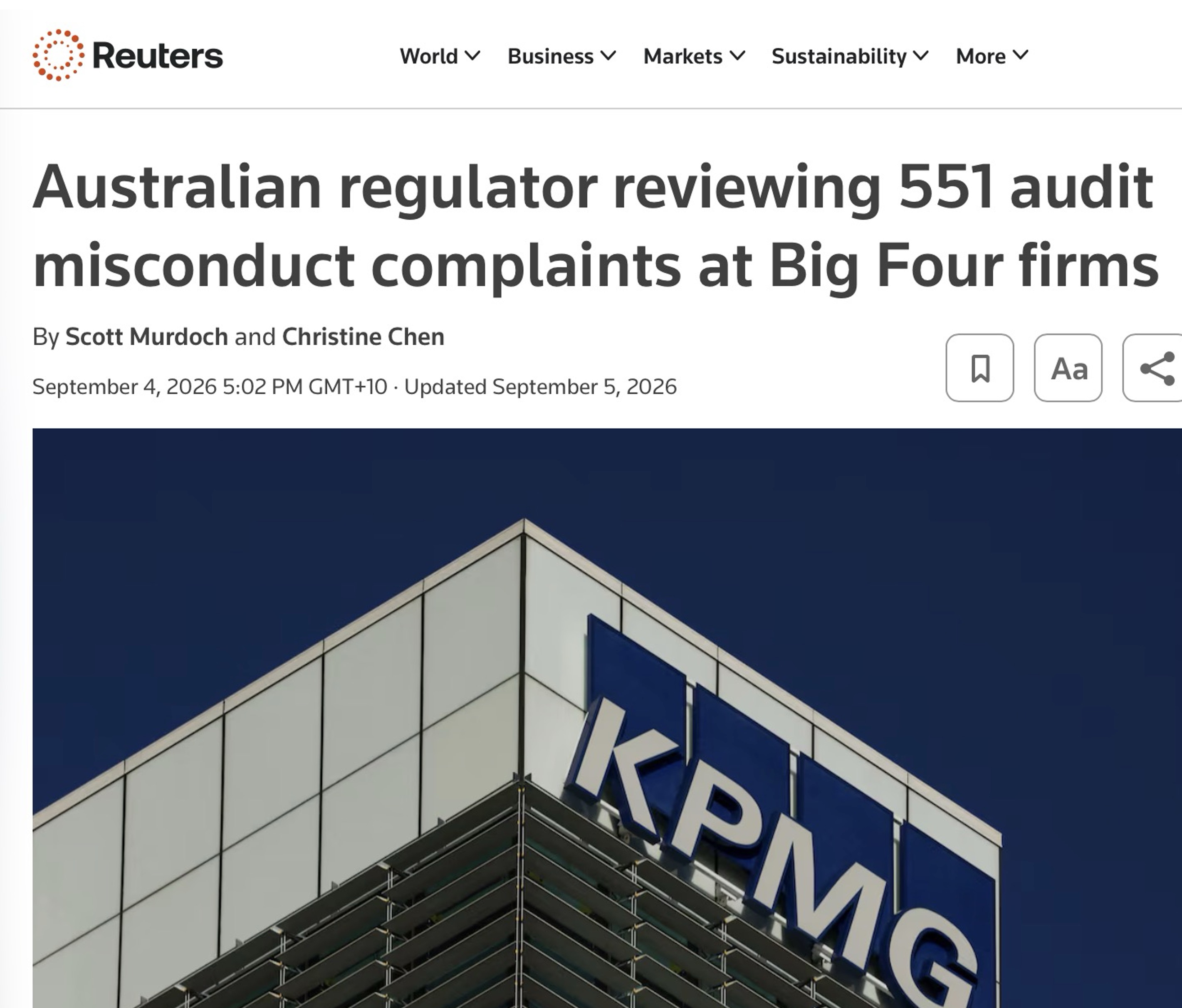
And this isn’t simply four juicy stories I’ve collected because accountants behaving badly is entertaining. As of September 2026, ASIC was reviewing 551 complaints of potential audit misconduct involving the Big Four firms. Reuters
Which raises a fairly obvious question.
Does a bad reputation actually damage a business?
That’s one of the fundamental assumptions behind brand. Trust affects choice. If people stop trusting your bank, they can move their money. If they hate your airline, they can fly with another one. If your car company develops a reputation for producing unreliable cars, there are plenty of other cars sitting in the showroom next door.
Reputation influences whether people choose you, recommend you, work for you, invest in you and believe you. Damage the reputation badly enough and eventually you damage the business. That’s how the theory works. And there have certainly been consequences for the Big Four.
KPMG has lost major work amid its audit controversy. It agreed to stop bidding for new Commonwealth contracts until the end of September 2026 and announced cuts affecting 27 partners and around 360 employees after revenue fell. Reuters
PwC lost clients, partners and ultimately its Australian government consulting business.
So brand damage isn’t imaginary. It costs.
But here’s the thing. They’re still the Big Four.
The problem is: whom else are you going to use?
This is where the normal relationship between reputation and business gets interesting.
Australia’s market for auditing its biggest companies is extraordinarily concentrated. In 2022, the Big Four audited approximately 96% of the largest 200 ASX-listed companies and captured 99% of the audit fees from that market. Parliament of Australia
Ninety-six per cent!! Suddenly the brand question looks slightly different. Imagine McDonald’s, KFC, Hungry Jack’s and Subway owned 96% of the fast-food market. Imagine four airlines operated virtually every commercially useful route. Imagine four car companies made almost every car Australians could realistically buy.
Now ask what happens when one of them suffers a reputation crisis. Where exactly does everybody go?
This doesn’t mean the Big Four literally cannot be replaced. Other accounting and professional-services firms exist, and competition increases considerably once you move away from Australia’s largest and most complex companies. Parliament of Australia
But at the top end of the market, the choice becomes very small indeed. The scale, international networks, specialist capability and resources required to audit enormous multinational organisations create formidable barriers to competition. Which means reputation operates differently.
The customer can be furious with you and still need you.
That’s an extraordinary position for any brand to occupy.
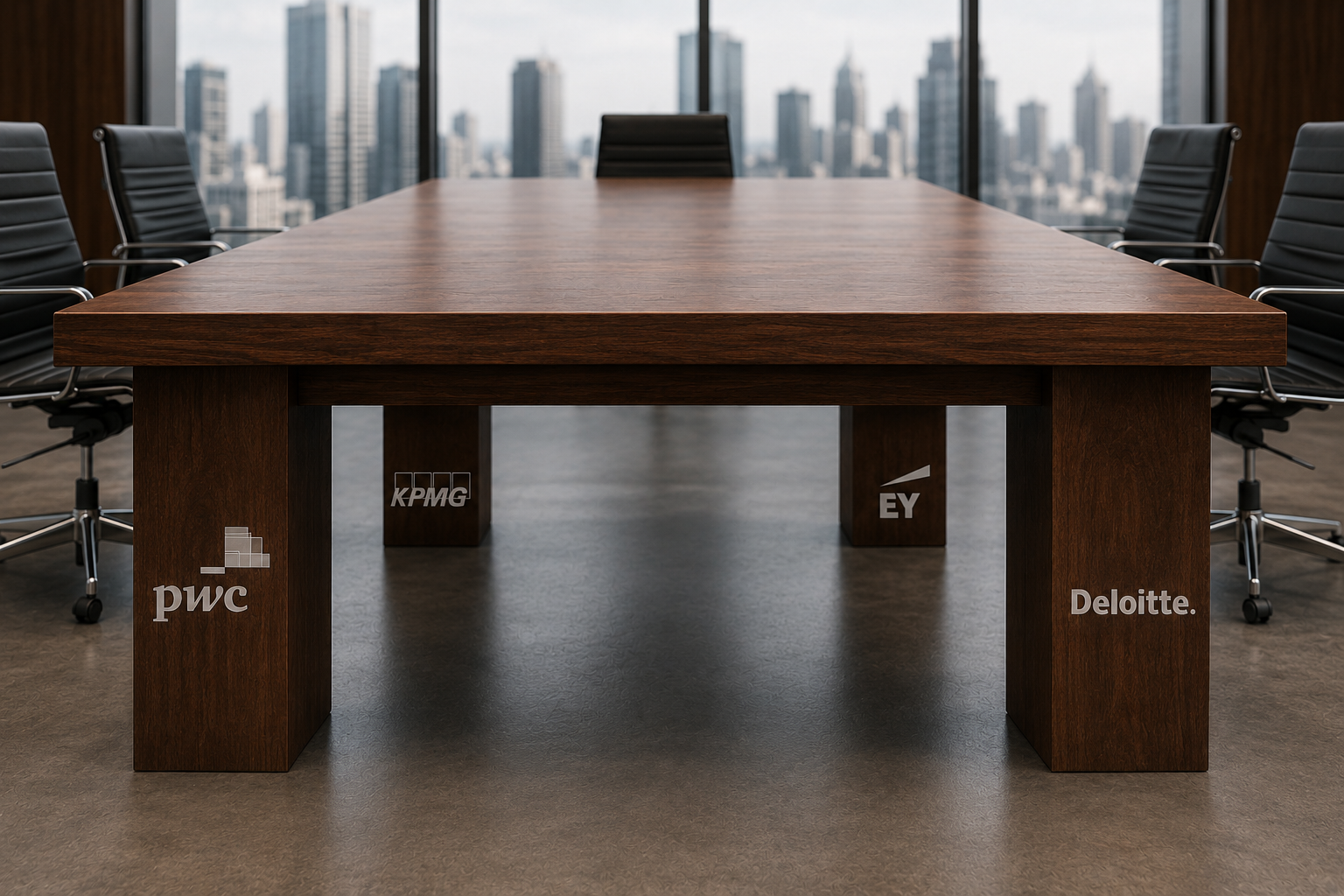
Perhaps indispensibility is a brand asset
We normally think of strong brands as being admired.
Apple. Nike. Lego. Patagonia.
Brands people actively choose. Brands people identify with. Brands people sometimes tattoo onto their bodies, which seems excessive, but there you go.
The Big Four present another possibility. Perhaps one of the most powerful positions a business can occupy isn’t being loved. It’s being difficult to replace.
Think about Microsoft in corporate computing. Visa and Mastercard in payments. AWS, Microsoft and Google in cloud infrastructure. Their reputations matter. Of course they do.
But something else matters as well. Dependence.
When a business becomes embedded deeply enough into the machinery around it, the normal rules of brand choice start changing.
You aren’t asking:
“Do I like these people?”
You’re asking:
“Can I realistically operate without them?”
Those are two very different questions.
So does corporate reputation matter?
Yes. But perhaps not equally. Reputation matters enormously when reputation influences choice.
When there are lots of credible alternatives, losing trust can be catastrophic because customers can walk straight across the road.
When alternatives are scarce, switching is difficult or an organisation has become structurally embedded in a market, reputation can take a hell of a beating before the business takes the same beating.
And that creates another problem. If the market cannot easily punish poor behaviour, who does?
Regulators? Governments? Boards? Clients? Professional bodies?
Because a market only disciplines behaviour when people have somewhere else to go. That’s what makes the Big Four story more interesting than another corporate scandal.
It exposes something we don’t talk about very much in branding. We assume organisations need us to like them. Maybe some don’t. Maybe they need us to need them.
And those are not remotely the same thing.